
Table of Contents
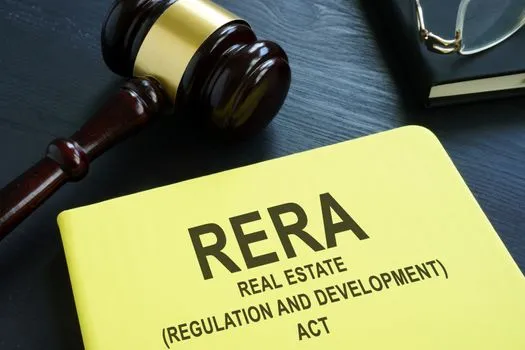
Buying a home is one of the biggest financial decisions most Indians make. Yet for years, homebuyers faced issues like delayed possession, misleading advertisements, lack of transparency, and legal disputes with developers. To address these problems and restore trust in the real estate sector, the Government of India introduced the Real Estate (Regulation and Development) Act, 2016, commonly known as RERA.
Understanding RERA compliance is essential for every homebuyer today whether you are buying a flat, a plot, or investing in a township project.
What Is RERA?
RERA is a central law implemented to regulate the real estate sector in India. Each state has its own Real Estate Regulatory Authority that oversees project registrations, monitors developers, and protects the interests of homebuyers.
The primary objective of RERA is to:
-
Bring transparency in real estate transactions
-
Ensure timely project delivery
-
Protect buyers from unfair practices
-
Create accountability for developers and agents
What Does RERA Compliance Mean?
A project is considered RERA-compliant when it:
-
Is registered with the respective State RERA Authority
-
Discloses all project details publicly on the RERA portal
-
Follows rules related to construction timelines, fund usage, and delivery
-
Adheres to advertising and sale guidelines set by RERA
Without RERA registration, a developer cannot legally advertise, market, or sell a real estate project (subject to minimum area and unit thresholds defined by law).
Key Provisions of RERA That Protect Homebuyers
1. Mandatory Project Registration
All eligible residential and commercial projects must be registered under RERA before being sold. This registration includes disclosure of:
-
Approved layout plans
-
Project timeline
-
Land title details
-
Number of units and phases
-
Promoter background
This prevents developers from launching projects without approvals.
2. Transparent Information on Public Portal
Once registered, all project information is uploaded on the official RERA website of the state. Homebuyers can verify:
-
Construction progress
-
Completion date
-
Legal approvals
-
Changes in layout or plans
This ensures buyers are not dependent solely on sales promises.
3. Protection Against Project Delays
If a developer fails to deliver the project on time, buyers are entitled to:
-
Compensation or interest for delayed possession
-
Refund with interest if they choose to exit the project
This provision has significantly reduced indefinite delays.
4. Regulated Use of Buyer Funds
RERA mandates that 70% of the funds collected from buyers must be deposited in a dedicated escrow account. This money can only be used for:
-
Construction of that specific project
-
Land costs related to the same project
This prevents fund diversion to other developments.
5. Standardised Sale Agreement
Developers cannot impose one-sided or unfair clauses. RERA ensures:
-
Clear possession timelines
-
Defined penalties for both buyer and developer
-
Fair exit and refund terms
This brings balance to buyer-developer agreements.
6. Defect Liability Period
For five years after possession, if any structural defect or workmanship issue arises, the developer is legally bound to fix it at no extra cost.
Why RERA Compliance Matters for Homebuyers
Increased Transparency
Buyers can independently verify project details instead of relying on brochures or verbal assurances.
Legal Protection
RERA provides a formal grievance redressal mechanism where buyers can file complaints against developers and agents.
Reduced Risk of Fraud
Unregistered and illegal projects are easier to identify and avoid.
Better Financial Security
Strict fund management rules reduce the risk of stalled or abandoned projects.
Accountability of Developers
Penalties, fines, and even imprisonment can be imposed on non-compliant developers.
How Homebuyers Can Check RERA Compliance
Before booking any property, buyers should:
-
Visit the official RERA website of the respective state
-
Search the project using the developer name or project name
-
Verify registration number and validity
-
Check project timelines and approvals
-
Review complaints, if any, filed against the project
This step takes only a few minutes but can save years of trouble.
Common Misconceptions About RERA
-
RERA guarantees zero delays – It does not eliminate delays but ensures compensation and accountability.
-
All projects are under RERA – Smaller projects below threshold limits may be exempt.
-
RERA only benefits buyers – It also brings credibility and discipline to genuine developers.
Conclusion
RERA has fundamentally changed how real estate functions in India. For homebuyers, it offers transparency, protection, and confidence, provided they take the effort to verify compliance before investing.
In today’s market, buying a RERA-registered project is not just a recommendation; it is a necessity. An informed buyer is a protected buyer, and understanding RERA compliance is the first step toward a safe and secure real estate investment.
If you are looking for RERA-registered plots you can visit marinegroup.in. We make buying plots easy!