
Table of Contents
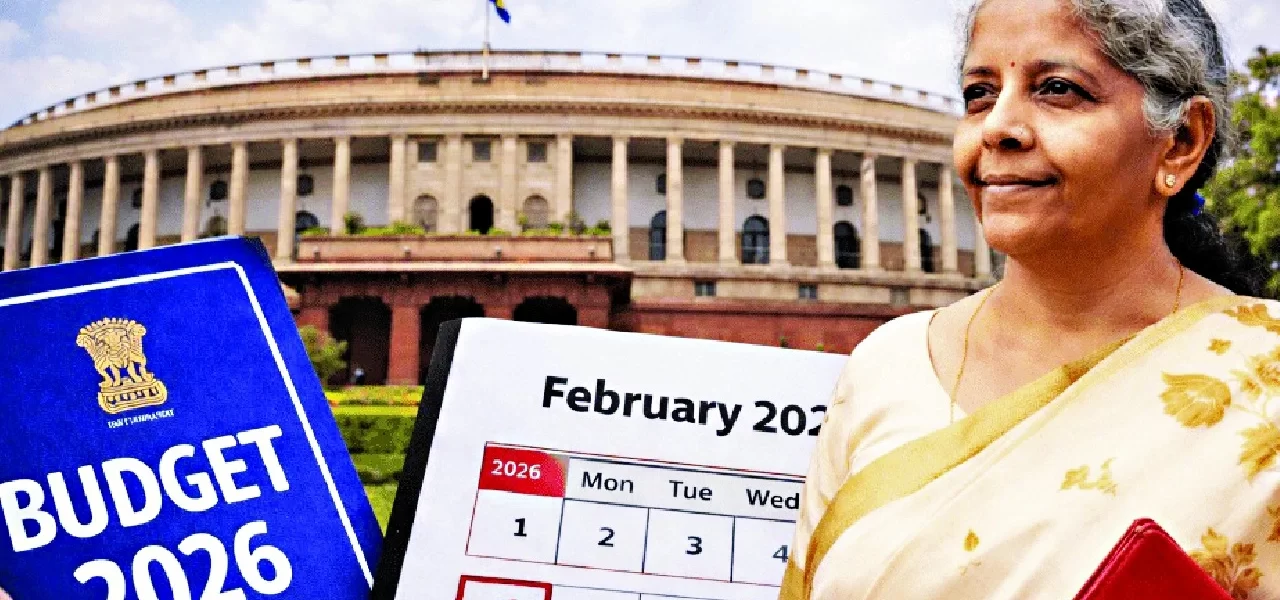
As India enters the crucial phase of the Budget Session 2026, the Economic Survey 2025-26 serves as a foundational document that sets the tone for the Union Budget. More than a statutory report, the Survey acts as a mirror reflecting the current state of the economy while outlining the priorities, risks, and opportunities that lie ahead.
For businesses, infrastructure developers, policymakers, and professionals, understanding the Survey is essential to decoding where India’s economic momentum is heading.
A Snapshot of India’s Economic Health
The Survey presents a picture of measured optimism. Despite ongoing global challenges including geopolitical tensions, supply-chain disruptions, and financial volatility, India’s economy continues to demonstrate resilience and stability.
Rather than projecting aggressive growth targets, the emphasis is on sustainable and balanced expansion. This approach signals maturity in economic planning, focusing not just on speed but also on durability.
Public Capital Expenditure: The Core Growth Engine
One of the strongest themes emerging from the Survey is the continued reliance on public capital expenditure (capex) as a driver of growth.
Key focus areas include:
-
Infrastructure development
-
Transport and logistics (roads, railways, ports)
-
Housing and urban development
-
Manufacturing and industrial corridors
Public capex plays a multiplier role, every rupee spent by the government generates demand across multiple sectors, boosts employment, and strengthens long-term productivity. For infrastructure-linked industries and developers, this signals continuity in policy support and execution.
Fiscal Discipline Remains Central
A notable aspect of the Survey is its firm emphasis on fiscal discipline. While growth remains a priority, there is a clear intent to manage public finances responsibly.
This balanced stance suggests:
-
Controlled borrowing
-
Strategic allocation of resources
-
Avoidance of populist, short-term measures
For investors and institutions, fiscal discipline strengthens confidence in India’s macroeconomic stability and long-term credibility.
Employment, Inflation, and Household Consumption
The Economic Survey 2025-26 closely examines the relationship between employment trends, inflation control, and consumer spending three factors that directly affect everyday economic life.
Key observations include:
-
Inflation management remains a top policy concern
-
Employment generation is tied closely to infrastructure and manufacturing growth
-
Household consumption is gradually stabilising, supported by income growth and moderated price pressures
For salaried individuals and small businesses, these indicators are critical in shaping expectations around tax relief, wage growth, and purchasing power.
Expectations Around the Salaried Class and Ease of Living
While the Survey does not announce policy changes, it acknowledges the growing expectations of the salaried middle class particularly around:
-
Income tax rationalisation
-
Cost-of-living pressures
-
Access to affordable housing and urban infrastructure
This recognition sets the context for potential Budget measures aimed at improving ease of living without compromising fiscal balance.
Long-Term Focus Areas: Health, Education, and Productivity
Rather than short-term announcements, the Survey underscores the importance of structural investments in:
-
Healthcare systems
-
Education and skill development
-
Workforce productivity
-
Technology and innovation
These sectors are viewed as foundational to sustaining growth over the next decade, rather than quick wins for a single financial year.
What the Economic Survey Ultimately Signals
The Economic Survey 2025-26 sends a clear message:
India’s economic strategy is anchored in continuity, stability, and long-term thinking.
Instead of dramatic shifts, the focus is on:
-
Strengthening existing reforms
-
Scaling infrastructure development
-
Maintaining macroeconomic balance
-
Supporting growth through measured, data-driven decisions
As the Union Budget approaches, stakeholders across sectors will be watching closely to see how these insights translate into actionable policy.
Conclusion: Why This Matters
The Economic Survey is not just a document for economists, it is a roadmap that influences decisions across industries, infrastructure planning, investment strategies, and public policy.
For organisations involved in development, construction, urban planning, and economic growth, the Survey provides clarity, direction, and context. The upcoming Budget will determine how effectively these insights are converted into outcomes that shape India’s growth journey in the year ahead.